Learner Advice for Your Next Driving Lesson
Step-by-Step Driving Lessons: Register for Our Instructor-Led Driving Program Today!
Progressive driving lessons present a structured approach to developing vehicle control skills. Signing up for a professionally guided course can greatly enhance a learner's skills and Driving Lesson confidence. The curriculum is carefully designed to address fundamental and complex driving methods, accommodating different skill levels. Being aware of what these lessons entail can prove tremendously beneficial. There are several key components that foster productive learning and exam preparation.
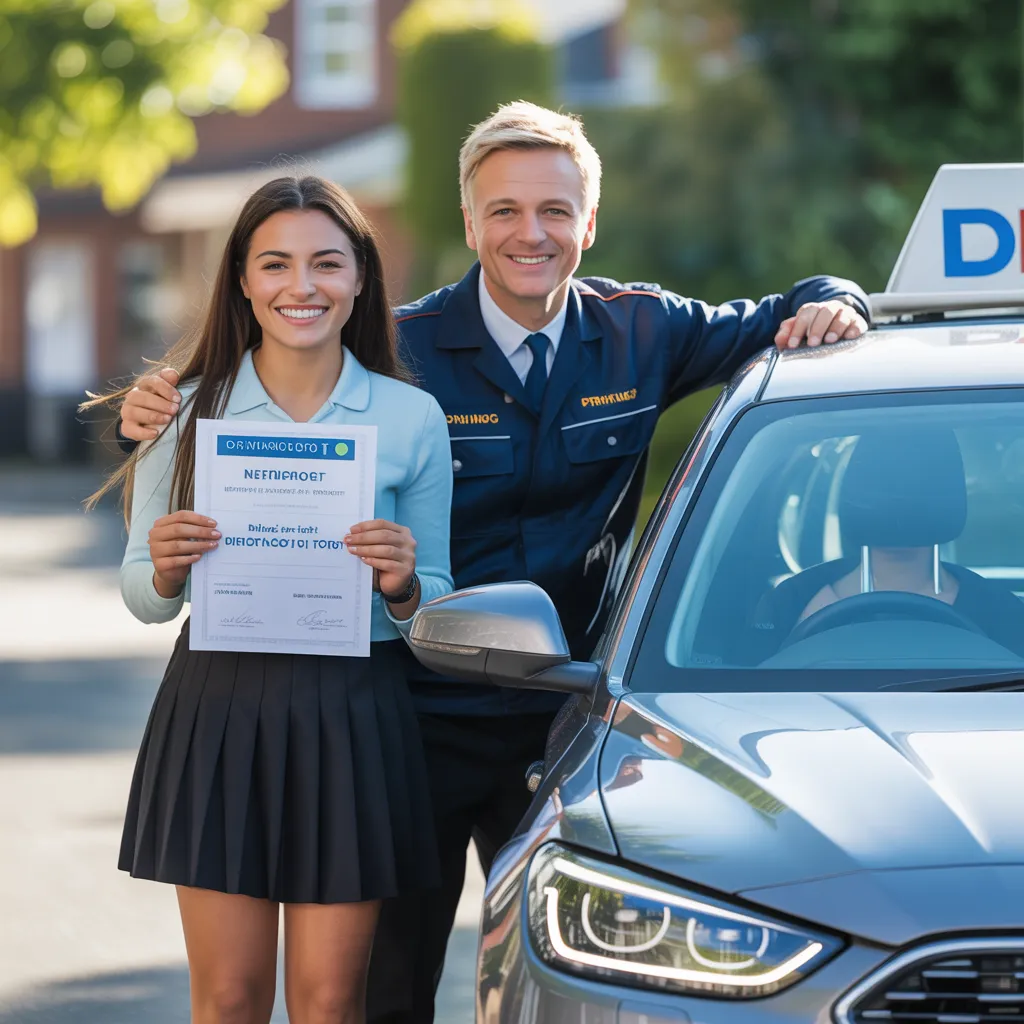
What You Can Expect During Your First Driving Class
As soon as a student enters their initial driving course, they may feel a mix of excitement and anxiety. The learning setting, usually shared with fellow learners, sets the stage for a significant experience. Teachers typically start with introductions, explaining the curriculum layout and safety procedures. Students can expect to receive instructional materials, including manuals and handouts, which will function as important guides throughout their learning journey.
The primary emphasis is largely on learning about vehicle controls, basic road signs, and key traffic regulations. Instructors frequently stress the importance of keeping a composed attitude at the wheel. Pupils are prompted to ask queries, creating a positive learning environment. Once the theoretical component is complete, numerous courses feature hands-on practice, where learners get acquainted with the vehicle in a controlled setting. This integration of theoretical and practical training prepares students for the journey ahead, building self-assurance as they embark on the road to becoming safe, skilled drivers.
Driving Course: Fundamentals to Advanced
A thorough driving curriculum includes a progression from basic skills to higher-level skills, so that drivers build a robust grounding before handling more advanced driving situations. At first, learners focus on essential car handling, including wheel control, stopping techniques, and speed control. Students gain knowledge of essential driving laws, road markings, and safe driving practices, providing a comprehensive awareness of the driving regulations.
As learners display mastery of these core concepts, the program progresses to more intricate skills. This includes handling diverse driving environments, managing adverse weather conditions, and excelling in defensive driving methods. Furthermore, learners are introduced to freeway travel and intricate road crossings, strengthening their capability to respond rapidly in demanding situations.
Throughout the curriculum, instructors highlight the importance of situational awareness and accountable driving conduct. This systematic framework enables students not only to pass their driving tests but also to become confident and competent drivers in diverse environments.
Developing Confidence as a New Driver
New drivers often face challenges in building their confidence behind the wheel. Starting out as a driver can be quite intimidating, given the many tasks involved and the continuous requirement for attention. In order to ease nervousness, novice drivers may find value in a measured, step-by-step introduction to a range of driving conditions. Starting in low-traffic areas allows them to develop basic skills without the pressure of more complex environments.
Consistent practice is crucial; the more time spent driving, the more familiar and comfortable they become with their vehicle and surroundings. Moreover, participating in professionally guided driving lessons delivers structured instruction and knowledgeable support, nurturing a sense of reassurance. Encouragement from qualified instructors and encouraging fellow learners can further boost a beginner driver's confidence. As abilities develop with time, novice drivers will discover that their assurance increases, turning driving from a demanding activity into a more rewarding and freeing endeavor.
How to Prepare for Your Driving Test
How can a new driver best prepare for their driving test? Preparation is essential for success. As a starting point, becoming familiar with the vehicle is highly recommended. It is important for new drivers to be confident in using all controls, including lights, wipers, and signals. Next, practicing maneuvers such as parallel parking, three-point turns, and lane changes will enhance their skill set.
Moreover, examining the local traffic laws and rules can offer useful information into what to expect from the examiner. Arranging a trial examination with a seasoned driving professional can simulate the actual test environment, which can help ease nerves.
Lastly, verifying all essential documents are in order, such as the learner's permit and ID, is critical. By following these steps, new drivers can approach their driving test with self-assurance, boosting their probability of passing on the first attempt.
Common Questions About Driving Lessons
What should prospective drivers know before starting lessons? Numerous people share similar questions about the driving lesson process. To begin with, many students inquire about the age requirements; most areas stipulate that students must be at least 16 years of age to receive a learner's permit. A common question also relates to the length of lessons; generally, each lesson runs approximately one to two hours, based on the student's abilities and requirements.
Prospective drivers also frequently ask about the pricing for driving lessons. Prices can vary widely based on location and instructor experience. Additionally, many ask whether they should bring their own vehicle; most driving schools provide cars outfitted with dual controls for the safety of students.
Finally, pupils frequently ask about the course content. Thorough classes generally address core driving abilities, traffic regulations, and safe driving practices, making sure students are fully equipped for their driving exam as well as everyday driving scenarios.
Why Choosing Expert-Led Driving Lessons Is a Smart Decision?
What makes expert-led driving lessons better than informal instruction? The answer lies in the quality and effectiveness of the training provided. Professional instructors have in-depth knowledge of driving methods, traffic regulations, and safety procedures, guaranteeing that students receive a complete and well-rounded education. They utilize a well-organized curriculum that develops abilities step by step, making it easier for students to grasp complex concepts.
Moreover, expert-led lessons frequently include real-life circumstances, empowering drivers to navigate diverse road situations with skill. Instructors can offer tailored guidance and adjustments, which are essential for developing safe driving habits. Additionally, their experience permits them to customize instruction to each student's unique approach, optimizing learning outcomes and competency growth.
In addition, expert instructors typically stay updated with the newest rules and progress in driving instruction, guaranteeing that their instruction aligns with contemporary standards. This professionalism makes expert-led driving lessons a superior choice for individuals aiming to develop strong driving abilities.

Common Questions and Answers
What Age Can I Start Taking Driving Lessons?
Typically, aspiring drivers can initiate taking driving lessons at the age of 16, though certain areas permit students to start at 15. It's crucial to review local regulations regarding minimum age criteria for driving lessons.
Is It Possible to Book Driving Lessons on Weekends?
Driving lessons can often be scheduled on weekends, catering to various schedules. Many driving schools recognize the demand for weekend sessions, enabling learners to develop their driving skills without disrupting their weekday routines.
Am I Able to Use My Personal Car for Lessons?
Students may typically use their own cars for learning to drive, as long as the car satisfies safety standards and is functioning properly. Teachers frequently support this practice to provide a sense of comfort and familiarity while learning to drive.
What Should I Do if I Miss a Class?
Should a student miss a class, they may need to reschedule or make up the lesson. Policies regarding attendance can vary, so the student should reach out to their instructor concerning any applicable penalties or alternatives.
Are Lessons Available for Both Automatic and Manual Cars?
Indeed, the course offers instruction for both automatic and manual cars. Participants can select their ideal transmission type, ensuring they are provided with personalized instruction that addresses their personal driving needs and preferences for skill development.